Definition
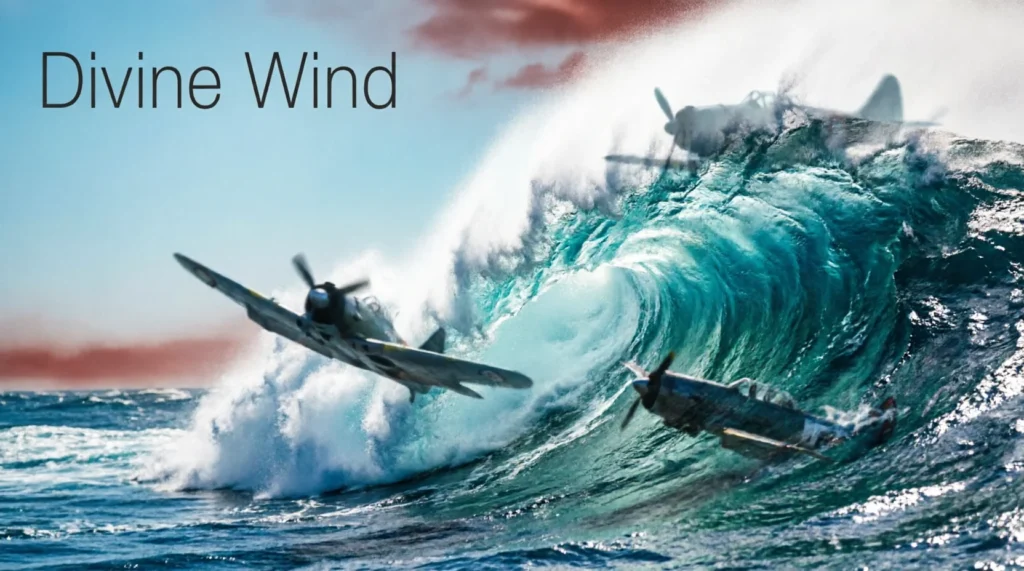
“Kamikaze” (神風) is a Japanese word that literally means “divine wind.”
Historically, it refers to powerful typhoons believed to have saved Japan from invasion. In modern usage especially outside Japan it often describes a reckless or suicidal action, particularly referencing World War II suicide pilots.
The word kamikaze is one of those rare terms that carries deep historical meaning, emotional weight, and modern slang usage all at once. You might hear it in a history documentary, a war movie, or even in casual conversation like:
“He drove like a kamikaze!” 😬
But what does it actually mean in Japanese and how did it evolve into such a powerful and sometimes misunderstood term?
In this detailed guide, we’ll break down the true meaning of kamikaze, explore its historical origins, explain its modern usage, and show you how to use it correctly (and respectfully).
The Literal Meaning of Kamikaze in Japanese
In Japanese, “kamikaze” (神風) is made up of two kanji characters:
- 神 (kami) = god or divine spirit
- 風 (kaze) = wind
👉 So, the direct translation is:
“Divine Wind”
This term originally had a positive and protective meaning, symbolizing a force that saved Japan from danger.
The Historical Origin of “Kamikaze”
🏯 The Mongol Invasions of Japan
The origin of the term dates back to the 13th century, during attempted invasions by the Mongol Empire:
- 1274 – First invasion attempt
- 1281 – Second invasion attempt
Both times, massive typhoons struck the Mongol fleets, destroying ships and forcing retreat.
👉 The Japanese believed these storms were sent by the gods to protect their land.
Thus, they called them “kamikaze” the divine wind.
Kamikaze in World War II
During World War II, the meaning of kamikaze changed dramatically.
✈️ What Were Kamikaze Pilots?
- Japanese pilots who carried out suicide missions
- They deliberately crashed planes into enemy ships
- Seen as acts of sacrifice and patriotism in Japan at the time
Important Cultural Note:
In Japan, these missions were often referred to as:
- “Tokkōtai” (Special Attack Units)
👉 The word kamikaze became popular internationally, especially in Western media.
Modern Meaning and Usage of “Kamikaze”
Today, the word has multiple meanings depending on context:
1. Historical Meaning (Formal)
- Refers to WWII suicide pilots or missions
2. Figurative Meaning (Common)
Used to describe someone acting recklessly or without concern for consequences
👉 Examples:
- “He made a kamikaze move in the game.” 🎮
- “That driver is totally kamikaze!” 🚗💨
3. Tone Awareness
| Context | Tone | Example |
|---|---|---|
| History | Neutral/Formal | “Kamikaze pilots played a role in WWII.” |
| Casual Speech | Slightly Negative | “That was a kamikaze decision.” |
| Offensive Risk | Sensitive | Misusing in serious contexts |
⚠️ Because of its historical background, the word can feel insensitive in certain situations.
Example Sentences with Context & Tone
🟢 Friendly / Casual
- “He went full kamikaze in that video game!” 🎮
- “That was a kamikaze strategy, but it worked!”
🟡 Neutral / Informative
- “The term kamikaze originally meant divine wind in Japan.”
- “Kamikaze missions were used during WWII.”
🔴 Negative / Critical
- “That was a reckless, almost kamikaze decision.”
- “Driving like that is pure kamikaze behavior.”
Comparison with Similar Terms
| Term | Meaning | Difference from Kamikaze |
|---|---|---|
| Reckless | Careless, risky behavior | Less extreme, no sacrifice aspect |
| Suicidal | Intentionally self-harming | More literal and serious |
| All-in | Taking a big risk | Often used in gaming/business |
| Berserk | Out of control, wild behavior | Emotional, not sacrificial |
👉 Kamikaze implies intentional risk with possible self-destruction, which makes it stronger than most alternatives.
Alternate Meanings of Kamikaze
While the primary meanings are historical and figurative, there are a few additional uses:
- 🍹 Kamikaze cocktail – A popular drink made with vodka, lime juice, and triple sec
- 🎮 Gaming slang – Risky or sacrificial moves
- 🎬 Pop culture references – Movies, anime, and music
Polite or Professional Alternatives
If you want to avoid using kamikaze (especially in sensitive contexts), try these:
- High-risk decision
- Aggressive strategy
- Reckless move
- Bold attempt
- All-or-nothing approach
👉 These alternatives are safer in professional or formal communication.
Example Table
| Situation | Sentence Example | Recommended? |
|---|---|---|
| Casual gaming | “That was a kamikaze move!” 🎮 | ✅ Yes |
| Office meeting | “We took a high-risk strategy.” | ✅ Better |
| Historical discussion | “Kamikaze pilots were used in WWII.” | ✅ Yes |
| Sensitive conversation | “That was reckless behavior.” | ⚠️ Avoid “kamikaze” |
FAQs
1. What does kamikaze literally mean in Japanese?
It means “divine wind”, combining the words for god (kami) and wind (kaze).
2. Why is kamikaze associated with World War II?
The term was used to describe Japanese suicide pilots who deliberately crashed planes into enemy ships during the war.
3. Is “kamikaze” offensive?
It can be sensitive, especially in historical or cultural contexts, so it should be used carefully.
4. Do Japanese people use the word “kamikaze” today?
Rarely in casual speech. They often use tokkōtai when referring to the historical WWII pilots.
5. Can “kamikaze” mean reckless behavior?
Yes. In modern slang, it often describes extremely risky or reckless actions.
6. What is a kamikaze strategy?
A strategy where someone takes high risks with little regard for consequences, similar to “all-or-nothing” tactics.
7. Is kamikaze always negative?
Not always. Historically, it was neutral or even positive, but today it often carries a negative or critical tone.
8. What is the kamikaze cocktail?
A popular drink made with vodka, lime juice, and triple sec, known for its strong and tangy flavor.
Conclusion:
“Kamikaze” is a powerful Japanese term with deep historical roots. Originally meaning “divine wind”, it symbolized protection and heroism. Over time, it became associated with WWII suicide pilots, and today it’s often used figuratively to describe reckless or high-risk actions.
Understanding its history, tone, and context ensures respectful and accurate usage, whether in conversation, writing, or cultural references.
👉 Whether you’re writing, speaking, or just curious, understanding the history and tone behind “kamikaze” helps you use it more accurately and respectfully.
Discover More Related Articles:
- OEM Mean in Car Parts: Here’s Why OEM Could Be the Right Choice in 2026
- Reconciliation Mean in the Bible: A Complete Christian Guide in 2026

Amanda Lewis is a professional content writer and word-meaning researcher who specializes in explaining definitions, slang, abbreviations, and modern language terms. She writes for WordNexy.com, where she creates clear, accurate, and reader-friendly articles to help users understand word meanings and proper usage. Her work is especially useful for students, writers, and online readers seeking quick and reliable explanations.