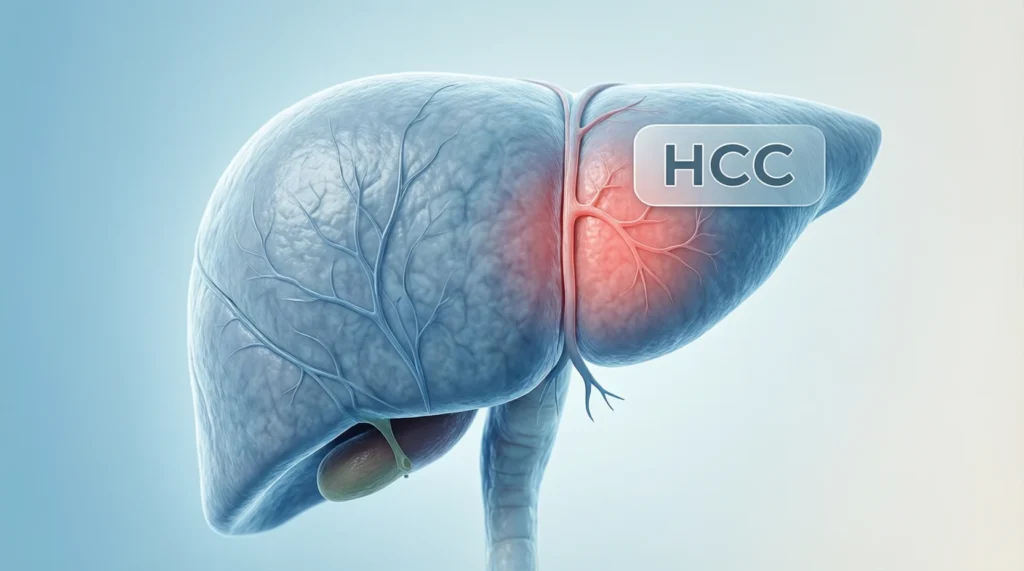
What Does HCC Mean in a Diagnosis? is a medical abbreviation that can feel alarming when you first see it on a report or hear it from a clinician. If you or a loved one has encountered “HCC” in a diagnosis, you’re not alone, and understanding what it means can bring clarity and help you ask better questions.
Definition:
HCC in a diagnosis most commonly stands for Hepatocellular Carcinoma, a primary cancer of the liver that begins in hepatocytes, the main liver cells.
In some non-clinical contexts like billing or population health, HCC can also mean Hierarchical Condition Category, which is a coding system, not a disease.
This article explains both meanings clearly, shows how HCC is used in real medical settings, compares it with similar terms, and answers the most common questions patients search for using friendly, plain language throughout.
Understanding HCC at a Glance
Before we go deeper, here’s a quick overview to set the context:
- Most common meaning in a diagnosis: Hepatocellular Carcinoma (a type of liver cancer)
- Where you’ll see it: Pathology reports, imaging results, oncology notes
- Other meaning (non-diagnostic): Hierarchical Condition Category (insurance or coding)
- Why context matters: The same abbreviation can mean very different things
What Does HCC Mean in a Medical Diagnosis?
HCC = Hepatocellular Carcinoma
In clinical medicine, HCC almost always refers to Hepatocellular Carcinoma. This is the most common primary liver cancer, meaning it starts in the liver rather than spreading from another organ.
Hepatocellular carcinoma develops from hepatocytes, the main functional cells of the liver. It is different from cancers that metastasize to the liver from elsewhere, like colon or breast cancer.
Plain-English Explanation
Think of it this way:
- Your liver is made up of millions of working cells.
- When some of these cells mutate and grow uncontrollably, the resulting tumor is called hepatocellular carcinoma (HCC).
Why HCC Appears in Diagnoses
Doctors use abbreviations to communicate efficiently. HCC is widely recognized in hepatology, oncology, radiology, and pathology.
You might see HCC mentioned in:
- Imaging reports such as CT, MRI, or ultrasound
- Biopsy or pathology findings
- Oncology clinic notes
- Hospital discharge summaries
Because it’s a standardized abbreviation, it helps medical teams stay precise, but it can feel confusing for patients at first.
Origin and Medical Background of the Term HCC
Where the Term Comes From
- Hepato- = liver
- Cellular = cells
- Carcinoma = cancer arising from epithelial cells
The term hepatocellular carcinoma has been used in medical literature for decades and is now the globally accepted name for this condition.
Why It’s So Widely Used
- It distinguishes primary liver cancer from metastatic liver disease
- It reflects the cancer’s cellular origin
- It aligns with international diagnostic and treatment guidelines
Real-World Usage of HCC in Healthcare
How Doctors Use the Term
Clinicians use HCC in a factual, clinical way, not as a judgment or prediction. It often appears alongside other information, such as tumor size, stage, or imaging characteristics.
Examples of real-world phrasing:
- “Findings are concerning for HCC in segment VIII of the liver.”
- “Patient has a known history of HCC with prior treatment.”
- “MRI features are consistent with hepatocellular carcinoma.”
Tone Matters
The term itself is neutral and clinical. Any emotional weight comes from what the diagnosis represents, not from the abbreviation
Common Risk Factors Associated With HCC
While this article is not a treatment guide, understanding why HCC develops can help contextualize the diagnosis.
HCC is more commonly associated with:
- Chronic hepatitis B or C
- Long-term liver cirrhosis
- Fatty liver disease (especially NASH)
- Heavy alcohol use over time
- Certain metabolic or genetic liver conditions
Not everyone with these conditions develops HCC, but they increase risk.
How HCC Is Typically Identified
Doctors don’t diagnose HCC based on one test alone. Diagnosis often involves a combination of:
- Imaging: CT scan, MRI, or ultrasound
- Blood tests: Including AFP (alpha-fetoprotein) in some cases
- Biopsy: Sometimes used if imaging is unclear
You may see “HCC suspected” or “HCC confirmed” depending on how much evidence is available.
Example
Friendly / Informational Tone
“Your scan shows a lesion that looks consistent with HCC, so we’ll discuss next steps together.”
Neutral / Clinical Tone
“MRI findings are diagnostic of HCC according to established criteria.”
Serious but Professional Tone
“The patient was diagnosed with HCC and referred to oncology for further management.”
These examples show how the abbreviation is used without emotional language, just clear medical communication.
HCC vs. Other Liver-Related Terms
Understanding what HCC is not can be just as helpful.
Comparison Table: HCC and Related Terms
| Term | Full Form | What It Means | Is It Cancer? |
| HCC | Hepatocellular Carcinoma | Primary liver cancer | Yes |
| Cholangiocarcinoma | Bile duct cancer | Cancer of bile ducts | Yes |
| Liver metastases | Secondary liver cancer | Spread from another organ | Yes |
| Cirrhosis | Liver scarring | Chronic liver damage | No |
| Hepatitis | Liver inflammation | Viral or autoimmune | No |
This comparison helps clarify why doctors are specific about using “HCC.”
Alternate Meaning: HCC in Medical Coding
HCC = Hierarchical Condition Category
In insurance, billing, and population health, HCC can mean Hierarchical Condition Category. This is not a diagnosis but a risk-adjustment coding system used primarily by insurers.
Key points:
- Used in Medicare and insurance models
- Helps predict healthcare costs
- Groups chronic conditions by severity
- Has nothing to do with liver cancer unless specified
Why This Causes Confusion
A patient might see “HCC” on paperwork and assume cancer, when it’s actually related to coding. Context is everything
How to Tell Which Meaning Applies
Ask yourself:
- Is this in a medical report or imaging result? → Likely Hepatocellular Carcinoma
- Is this in insurance, billing, or administrative paperwork? → Likely Hierarchical Condition Category
When in doubt, ask your healthcare provider or care coordinator to clarify.
Polite and Professional Alternatives to Saying “HCC”
Doctors may choose to say:
- “Hepatocellular carcinoma”
- “Primary liver cancer”
- “A liver tumor consistent with hepatocellular carcinoma”
Patients can also use these full terms when asking questions if abbreviations feel overwhelming.
Conclusion
HCC is a powerful abbreviation with very different meanings depending on context. In medical diagnoses, it almost always refers to hepatocellular carcinoma, a primary form of liver cancer.
In administrative settings, it may mean hierarchical condition category, which is unrelated to cancer.
Knowing which meaning applies and asking for clarification when needed can make medical information feel far less intimidating.
Clear understanding empowers better communication, more informed questions, and greater confidence during a challenging time.
FAQs
1. What does HCC stand for in a diagnosis?
HCC most commonly stands for hepatocellular carcinoma, a type of primary liver cancer.
2. Is HCC always cancer?
In a diagnostic context, yes it refers to liver cancer. In insurance coding, it can mean hierarchical condition category, which is not cancer.
3. Is HCC the same as liver cancer?
HCC is the most common type of primary liver cancer, but not the only one.
4. How serious is an HCC diagnosis?
The seriousness varies depending on stage, liver function, and overall health. Your care team can explain your specific situation.
5. Can HCC be detected on imaging alone?
Often yes. CT or MRI scans can strongly suggest HCC based on characteristic features.
6. Why do doctors use abbreviations like HCC?
Abbreviations save time and ensure consistency across medical records and specialties.
7. Can HCC mean something else on my paperwork?
Yes. On insurance or billing documents, HCC often refers to hierarchical condition categories.
8. Should I ask my doctor to explain HCC?
Absolutely. It’s reasonable and encouraged to ask for clear explanations in plain language.
Practical Tips for Patients Seeing “HCC” on a Report
- Don’t panic before confirming the context
- Ask whether the term refers to a diagnosis or coding
- Request explanations in non-technical language
- Bring a trusted person to appointments if helpful
- Write down questions ahead of time
Understanding terminology can reduce anxiety and help you take part in care decisions.
Search More Related Articles :

James Anderson is an experienced content writer and language researcher who focuses on explaining word meanings, definitions, slang terms, and modern expressions. He writes for WordNexy.com, where his articles are designed to provide accurate meanings, practical usage examples, and easy-to-understand explanations for readers worldwide.