Definition
|Yaki (焼き) is a Japanese word that means “grilled,” “fried,” “roasted,” or “cooked with heat.” It comes from the verb “yaku” (焼く), which means to cook over direct heat such as grilling, pan-frying, or roasting.
If you’ve ever enjoyed Japanese food like teriyaki, yakitori, or yakisoba, you’ve already encountered the word “yaki.” But what does yaki actually mean in Japanese? Is it a flavor, a cooking style, or something else entirely?
Understanding this small but powerful word opens the door to understanding a huge part of Japanese cuisine and language. From grilled street food to restaurant dishes, “yaki” appears in dozens of popular Japanese foods.
Let’s explore the meaning, origin, and real-world usage of yaki, along with examples, comparisons, and practical tips so you can recognize it instantly the next time you see it on a menu.
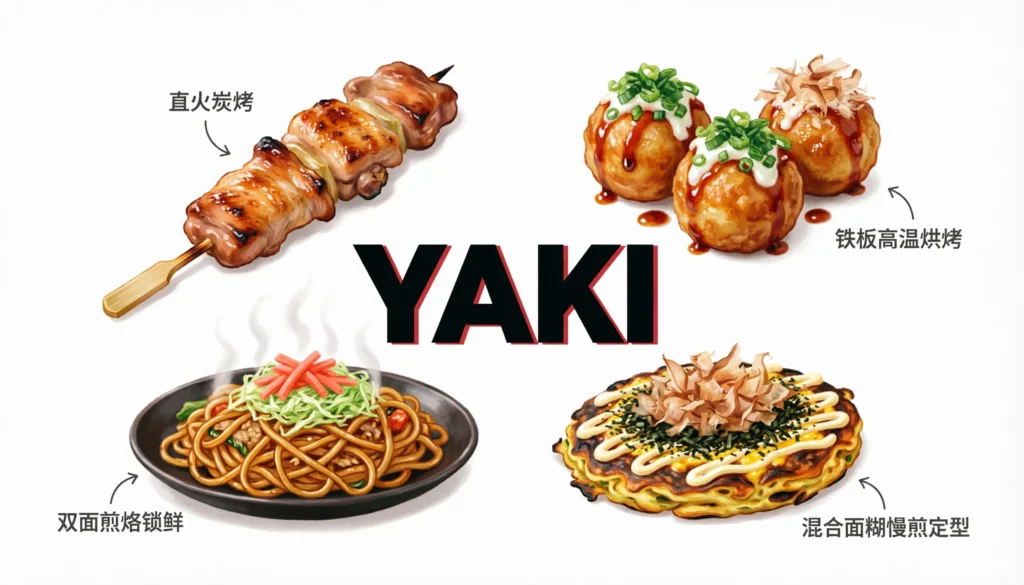
In Japanese cuisine, “yaki” is commonly used as a suffix in dish names to describe foods that are grilled or cooked on a hot surface.
Examples:
- Yakitori – grilled chicken
- Teriyaki – grilled food glazed with a sweet soy sauce
- Yakisoba – stir-fried noodles
- Okonomiyaki – savory Japanese pancake grilled on a griddle
Origin of the Word “Yaki”
The word yaki (焼き) originates from the Japanese verb “yaku” (焼く).
Meaning of “Yaku”
- To grill
- To roast
- To cook with heat
- To burn slightly
When the verb yaku is turned into a noun form or used as a suffix, it becomes “yaki.”
Linguistic Breakdown
| Japanese Word | Meaning | Usage |
|---|---|---|
| Yaku (焼く) | To grill or cook with heat | Verb |
| Yaki (焼き) | Grilled / roasted | Noun or suffix |
| Yakimono | Grilled items | Category of food |
In Japanese cooking terminology, “yaki” describes the cooking method rather than the ingredient itself.
Why “Yaki” Is So Popular in Japanese Cuisine
The word yaki is extremely common because grilling and pan-cooking are core techniques in Japanese cooking.
Japanese cuisine values:
- Natural flavor
- Quick cooking methods
- High heat cooking
- Minimal ingredients
Grilling over charcoal or cooking on a flat iron griddle (teppan) creates smoky flavors and crispy textures, which makes yaki-style dishes incredibly popular.
Common Places You’ll See Yaki Foods
- Japanese restaurants
- Street food stalls
- Izakayas (Japanese pubs)
- Home cooking
- Food festivals
Because of this popularity, many famous Japanese dishes include “yaki” in their names.
Common Japanese Dishes With “Yaki”
Here are some of the most well-known yaki dishes.
| Dish | Meaning | Description |
|---|---|---|
| Teriyaki | Glazed grilled food | Meat or fish cooked with sweet soy glaze |
| Yakitori | Grilled chicken | Skewered chicken grilled over charcoal |
| Yakisoba | Fried noodles | Stir-fried noodles with vegetables and meat |
| Okonomiyaki | Savory grilled pancake | Batter mixed with cabbage and toppings |
| Takoyaki | Grilled octopus balls | Street food made in round molds |
| Taiyaki | Fish-shaped cake | Sweet pastry filled with red bean paste |
Even desserts can include “yaki,” showing how versatile the cooking style is.
Real-Life Usage of “Yaki”
In Japanese conversation, yaki usually appears as part of food names rather than as a standalone word.
Example Sentences
Friendly Tone
“Let’s grab some yakitori tonight!” 🍢
Neutral Tone
“This restaurant is famous for its teriyaki chicken.”
Excited Tone
“Wow, the yakisoba here is amazing!”
In daily conversation, Japanese speakers understand “yaki” as a cooking method.
Example Table: How “Yaki” Changes Dish Meaning
| Food Name | Literal Meaning | Explanation |
|---|---|---|
| Yakitori | Grilled chicken | Chicken skewers cooked over charcoal |
| Yakisoba | Grilled noodles | Stir-fried noodles with sauce |
| Okonomiyaki | Grill what you like | Pancake with customizable ingredients |
| Takoyaki | Grilled octopus | Fried dough balls with octopus |
This shows how “yaki” always signals heat cooking.
Cooking Styles Related to “Yaki”
Japanese cuisine has several cooking terms similar to yaki.
1. Teppanyaki
Cooking food on a flat iron griddle (teppan).
Example:
- Steak
- Shrimp
- Vegetables
2. Kushiyaki
Grilled skewered foods.
Examples:
- Yakitori
- Grilled vegetables
- Pork skewers
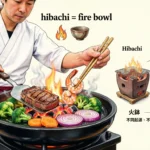
3. Hibachi Cooking
Charcoal grilling method used in restaurants.
Each of these cooking styles still relates to the core idea of cooking with heat, which is the meaning of yaki.
Tone and Cultural Context
Unlike slang words in other languages, “yaki” has no emotional tone.
It is simply a descriptive cooking term.
However, depending on the dish, it may evoke certain feelings:
| Dish | Cultural Feeling |
|---|---|
| Yakitori | Casual street food |
| Teriyaki | Restaurant favorite |
| Takoyaki | Festival food |
| Okonomiyaki | Comfort food |
In Japan, hearing “yaki” foods often makes people think of festivals, street vendors, and family meals.
Alternate Meanings of “Yaki”
Although yaki usually refers to cooking, it can have a few alternate meanings depending on context.
1. Burned or Heated
The verb yaku can also mean:
- Burn
- Scorch
- Heat strongly
Example:
- Sunburn (literally “burned skin”).
2. Jealousy (Figurative Use)
In some expressions, yaku can metaphorically mean burning with jealousy, but this usage is rare in everyday speech.
Comparison With Similar Japanese Cooking Terms
Understanding related cooking terms helps clarify what makes yaki unique.
| Term | Meaning | Cooking Method |
|---|---|---|
| Yaki | Grilled or pan-fried | Direct heat |
| Agemono | Fried foods | Deep frying |
| Nimono | Simmered foods | Slow cooking in broth |
| Mushimono | Steamed foods | Steam cooking |
So while yaki = grilled, agemono = fried, and nimono = simmered.
Professional or Polite Alternatives
When discussing Japanese cooking professionally, you might use more descriptive phrases instead of just saying yaki.
Examples:
| Informal | Professional Alternative |
|---|---|
| Yaki | Grilled preparation |
| Yakitori | Charcoal-grilled chicken skewers |
| Yakisoba | Stir-fried Japanese noodles |
These descriptions help non-Japanese audiences understand the dish clearly.
Practical Tips for Recognizing “Yaki” on Menus
When reading a Japanese menu, spotting “yaki” can instantly tell you how the dish is prepared.
Menu Reading Tips
Look for these patterns:
- Yakitori → grilled chicken
- Sakana-yaki → grilled fish
- Butayaki → grilled pork
Quick Rule
Ingredient + Yaki = grilled version of that ingredient.
Example:
- Tori = chicken
- Yakitori = grilled chicken
Cultural Significance of Yaki Dishes
“Yaki foods” are deeply connected to Japanese food culture and festivals.
At summer festivals in Japan, you’ll often smell:
- sizzling takoyaki
- grilling yakitori
- hot okonomiyaki
Street vendors cook these foods fresh on hot grills, creating the signature smoky aroma associated with Japanese street food.
For many people, yaki dishes represent comfort, celebration, and community.
FAQs
- What does yaki literally mean in Japanese?
Yaki means “grilled,” “roasted,” or “cooked with heat.” It comes from the Japanese verb yaku, meaning “to grill or cook.” - Does yaki mean grilled or fried?
It can mean grilled, roasted, or pan-fried, depending on the dish and cooking method. - What is the difference between teriyaki and yaki?
Yaki refers to the cooking method (grilling).
Teriyaki refers to a specific sauce-based grilled cooking style. - Why do many Japanese foods end with yaki?
Because “yaki” indicates the cooking method used to prepare the dish. - Is yakisoba actually grilled?
Not exactly. Yakisoba is stir-fried noodles cooked on a hot griddle, which still counts as a “yaki” method. - What does yakitori mean?
Yakitori means grilled chicken skewers, usually cooked over charcoal. - Is yaki a flavor or cooking style?
It is a cooking style, not a flavor. - What foods contain the word yaki?
Some common examples include:
- Yakitori
- Yakisoba
- Okonomiyaki
- Takoyaki
- Taiyaki
Conclusion
The Japanese word “yaki” may be short, but it plays a huge role in Japanese cuisine and food culture.
To recap:
- Yaki means grilled, roasted, or cooked with heat.
- It comes from the verb yaku, meaning “to grill.”
- The word appears in many famous dishes like yakitori, yakisoba, and takoyaki.
- In menus and recipes, “yaki” signals the cooking method rather than the ingredient.
Next time you see “yaki” on a Japanese menu, you’ll instantly know that the dish involves delicious high-heat cooking that brings out smoky, savory flavors.
And chances are it’s going to be tasty.
Discover More Related Articles:
- PFP Mean in Text: Complete Guide for Social Media Users (2026)
- Shabbat Shalom Mean in English: Usage, and Significance in 2026

Sarah Williams is the passionate author behind WordNexy.com, dedicated to creating content that informs, inspires, and sparks curiosity. With a love for words and storytelling, she transforms ideas into meaningful articles that educate, entertain, and leave a lasting impression on every reader.