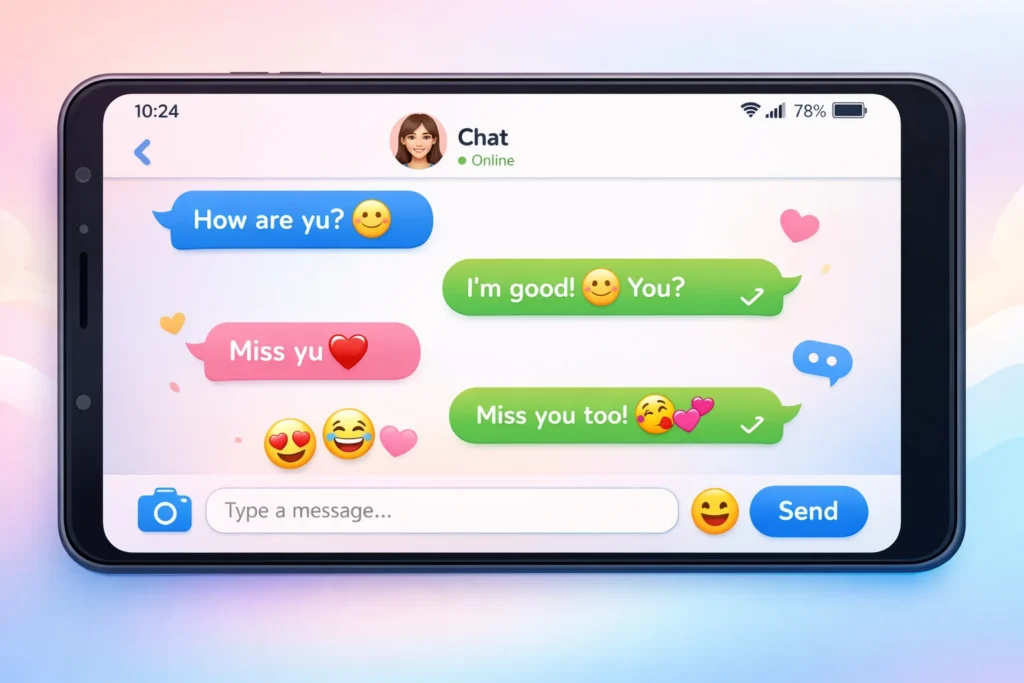
Definition:
“Yu” in text messaging is an informal spelling of “you.” It’s commonly used in casual chats, social media, and texting to save time, sound relaxed, or add a playful tone to conversations.
If you’ve ever received a message like “How are yu?” or “Miss yu ❤️”, you might have paused for a second. Is it a typo? A slang term? Or something else entirely?
The truth is simple “yu” is just a casual, stylized way of saying “you.” But like many texting shortcuts, its meaning goes beyond spelling. It reflects tone, personality, and even the relationship between the people chatting.
In today’s fast-moving digital world, short forms like “yu” have become part of everyday communication. Whether you’re texting friends, chatting on social media, or commenting online, understanding what “yu” means and how it’s used can help you communicate more naturally and confidently.
What Does “Yu” Mean in Text?
At its core, “yu” = “you.”
It’s a phonetic spelling, meaning it’s written the way it sounds. People use it to:
- Type faster
- Sound more casual or friendly
- Add a modern or playful vibe
- Match texting slang trends
Simple Breakdown
| Term | Meaning | Usage Style |
|---|---|---|
| Yu | You | Casual, informal |
| You | You | Standard, formal or neutral |
Origin of “Yu” in Texting
The use of “yu” didn’t appear randomly it’s part of a broader trend in digital communication.
1. Texting Culture & Speed
In the early days of SMS messaging:
- Character limits were strict
- Typing on numeric keypads was slow
People began shortening words:
- “You” → “u”
- Later, more stylized forms like “yu” appeared
2. Phonetic & Creative Spelling
“Yu” reflects how people pronounce the word:
- Instead of strict grammar, users prioritize sound and ease
3. Influence of Social Media
Platforms like:
- TikTok
- Snapchat
encouraged:
- Casual language
- Unique spelling styles
- Personal expression
4. Cultural & Regional Influence
In some regions and communities, “yu” is used more naturally in everyday digital speech, influenced by:
- Dialects
- Informal writing habits
- Youth slang trends
How “Yu” Is Used in Real Conversations
“Yu” is flexible and appears in many types of messages. The tone depends on context, punctuation, and emojis.
Common Usage Patterns
- Friendly: “How are yu 😊”
- Romantic: “Miss yu ❤️”
- Casual: “Where are yu?”
- Playful: “Yu funny 😂”
- Slightly dismissive (rare): “It’s up to yu.”
Examples of “Yu” in Different Contexts
Here’s how tone changes depending on how “yu” is used:
Example Table: Tone & Meaning
| Message | Tone | Meaning |
|---|---|---|
| “How are yu?” | Friendly | Casual check-in |
| “I miss yu ❤️” | Romantic | Emotional affection |
| “Where are yu?” | Neutral | Asking location |
| “Yu serious?” | Playful / Curious | Expressing surprise |
| “Do whatever yu want.” | Slightly dismissive | Indifference or frustration |
Tone Matters: Friendly vs. Neutral vs. Negative
Even though “yu” is simple, tone can shift based on how it’s used.
1. Friendly Tone 😊
- “See yu soon!”
- “Thank yu so much!”
👉 Feels warm and relaxed.
2. Neutral Tone 😐
- “What are yu doing?”
- “Can yu help me?”
👉 Just casual conversation.
3. Negative or Dismissive Tone 😒
- “It’s your choice, yu decide.”
- “Do what yu want.”
👉 Can sound distant depending on context.
Why People Use “Yu” Instead of “You”
There are several reasons behind this simple switch:
✔️ Convenience
- Faster to type
- Requires less effort
✔️ Informality
- Makes conversations feel relaxed
- Removes stiffness
✔️ Style & Personality
- Adds uniqueness
- Reflects texting habits
✔️ Trend Influence
- Popular among younger users
- Seen frequently on social media
“Yu” vs Similar Texting Terms
“Yu” is just one of many ways to say “you.” Here’s how it compares:
Comparison Table
| Term | Meaning | Tone | Common Use |
|---|---|---|---|
| Yu | You | Casual | Friendly chats |
| U | You | Very informal | Quick texting |
| Ya | You | Slang | Conversational tone |
| You | You | Neutral/Formal | Standard writing |
Key Differences
- “U” is shorter but less expressive
- “Yu” feels more stylized and modern
- “You” is always safest for formal situations
When You Should (and Shouldn’t) Use “Yu”
✅ Use “Yu” When:
- Texting friends or family
- Chatting casually online
- Posting on social media
- Sending informal messages
❌ Avoid “Yu” When:
- Writing emails
- Communicating professionally
- Submitting academic work
- Talking to someone you don’t know well
Polite & Professional Alternatives
If you want to keep things respectful or formal, stick with:
- You (standard and correct)
- “Could you please…”
- “Would you mind…”
- “Thank you” instead of “Thank yu”
Example Comparison
| Casual | Professional |
|---|---|
| “Can yu help me?” | “Could you please assist me?” |
| “Thank yu!” | “Thank you very much.” |
Are There Other Meanings of “Yu”?
In most texting situations, “yu” simply means “you.” However, in rare cases:
Possible Alternate Meanings
- Name or abbreviation:
“Yu” can be a surname or given name in some cultures - Typing variation:
Sometimes just a personal style or habit
👉 Still, in everyday texting, 99% of the time it means “you.”
SEO Keyword Variations to Know
To better understand related searches, here are similar phrases people look up:
- What does yu mean in chat
- Yu meaning in text message
- What does yu stand for
- Is yu slang for you
- Difference between yu and u
- Why do people say yu instead of you
FAQs
1. What does “yu” stand for in texting?
“Yu” stands for “you.” It’s an informal spelling used in casual conversations.
2. Is “yu” the same as “u”?
Not exactly. Both mean “you,” but “yu” feels more stylized, while “u” is shorter and more basic.
3. Is “yu” considered slang?
Yes, “yu” is informal slang used in texting and social media.
4. Is it rude to use “yu”?
No, it’s not rude. However, it may feel too casual in formal or professional settings.
5. Can I use “yu” in professional messages?
It’s best to avoid it. Use “you” for emails, work communication, or formal writing.
6. Why do people spell “you” as “yu”?
People use it for speed, style, and to create a relaxed, friendly tone.
7. Is “yu” used worldwide?
Yes, but it’s more common among younger users and in informal digital communication.
8. Does “yu” change the meaning of a sentence?
No, it doesn’t change the meaning just the tone. It makes the message more casual.
Conclusion:
“Yu” in text is simply an informal, casual way of writing “you.” It’s widely used in texting and social media to make conversations faster, more relaxed, and more expressive. While it doesn’t change the meaning of a sentence, it does change the tone making it feel more friendly, playful, or informal.
However, it’s best used only in casual conversations with friends or people you know well. In professional, academic, or formal communication, sticking with “you” is always the safer choice.
In short, using “yu” is less about grammar and more about style and connection. When used appropriately, it can make your messages feel more natural and engaging.
Discover More Related Articles:

Sarah Williams is the passionate author behind WordNexy.com, dedicated to creating content that informs, inspires, and sparks curiosity. With a love for words and storytelling, she transforms ideas into meaningful articles that educate, entertain, and leave a lasting impression on every reader.